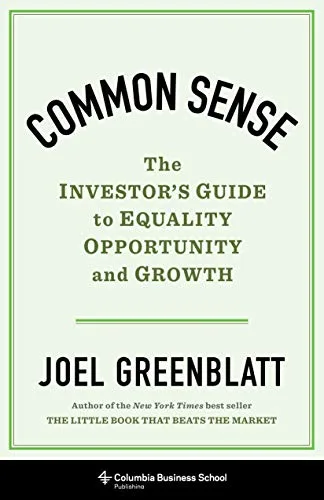
Common Sense
The Investor's Guide to Equality, Opportunity, and Growth
- Published
- 2020
- Pages
- 144 pages
- Publisher
- Columbia Business School Publishing
- Readers
- 2 members have read this
Gotham Capital founder Joel Greenblatt turns from stock picking to public policy, proposing practical fixes for schools, low wages, immigration, bank regulation and retirement saving. It is a short, opinionated policy book, not an investing manual, and it shows how a value investor reasons about costs, incentives and returns when the asset is a country.
This slim book is Joel Greenblatt's attempt to apply an investor's habits of mind to the American economy. Across six short chapters he takes on schooling, career training, technology and globalization, immigration, Wall Street, and retirement saving, looking in each for a fix that can run through institutions that already exist, from high-performing charter schools to an expanded Earned Income Tax Credit.
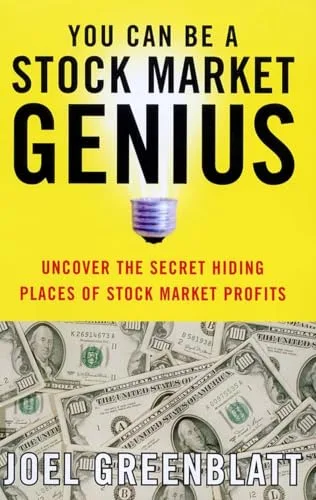
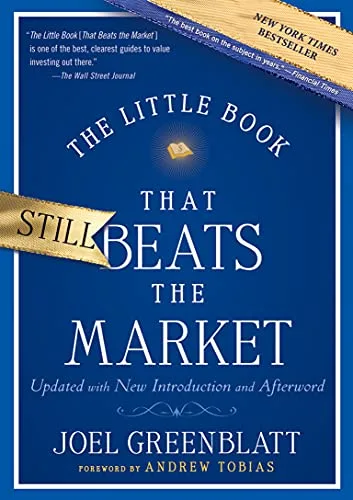
Greenblatt has the record to be heard. He founded Gotham Capital in 1985, taught value investing at Columbia Business School for more than two decades, and wrote You Can Be a Stock Market Genius and The Little Book That Beats the Market. He also co-founded what is now Success Academy, the New York charter network, so the education chapters come from long practical involvement rather than theory.
Despite the subtitle, there is almost nothing here about picking stocks, and professional reviews were scarce. Nate Shivar found the education fixes a complicated workaround: rather than evening out school funding tied to ZIP codes, Greenblatt layers new programs and third-party-run schools on top. Greenblatt himself frames the book as a way to start a conversation.
It suits Greenblatt fans, policy-minded finance professionals and anyone who wants a quick, numerate case for reform from someone who has spent a career weighing price against value.
- Policy is a capital-allocation problem. Greenblatt judges each program the way he would judge an investment: what it costs, what it returns, and whether the money could do more somewhere else.
- Use the plumbing that already exists. His fixes run through existing tools, such as the Earned Income Tax Credit and the charter school model, rather than new programs built from scratch.
- A living wage can run through the tax code. He would lift low earners toward a living wage with a larger Earned Income Tax Credit, a program already aimed at working people.
- Subsidies should come with conditions. Because banks benefit from government support, he argues, the public has a say in how they are capitalized and regulated, and those rules should serve growth and access to credit.
- Skilled immigration pays. Weighing costs and benefits by education level, he concludes that admitting more highly skilled immigrants is a clear economic gain.
The book moves from the start of a working life to its end, with one chapter per policy area and a short conclusion.
- Going to School. Greenblatt argues that the ZIP code a child is born into decides too much, and makes the case for expanding high-performing public charter schools in high-poverty areas, drawing on his experience co-founding Success Academy.
- Getting an Education. He argues that leading corporations can help disrupt the education establishment by backing certification programs that open high-paying jobs to people currently left behind.
- Technology, Globalization, and Disruption. He looks at the pressures that technology and trade put on lower-wage workers and makes the case for a living wage funded through an expanded Earned Income Tax Credit.
- Immigration. He makes the economic case for admitting more highly skilled immigrants, weighing the costs and benefits of immigration by education level.
- Wall Street. Starting from the premise that banks enjoy government subsidies, he asks how they should be capitalized and regulated so that they help grow the economy, widen access and create jobs.
- Saving Time and Social Security. He turns to retirement saving and Social Security and explains why Australia's superannuation system is worth learning from, and the conclusion presents the whole package as a starting point for debate.
In Common Sense, the New York Times best-selling author Joel Greenblatt offers an investor's perspective on building an economy that truly works for everyone. With dry and self-deprecating wit, he makes a lively and provocative case for disruptive new approaches.
Reader reviews
No reviews yet. Join to write the first one.