
2024 Wall Street Reading List
2024 WSRL
The best books on Wall Street, investing and markets published in 2024. A rates trader's confession, the collapse of Credit Suisse, Masayoshi Son and the SoftBank Vision Fund, the meme-stock insurgency, the politics of inflation, the weaponized dollar, and Aswath Damodaran's capstone on how companies age.
-
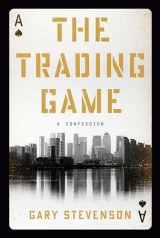 1. The Trading Game Gary Stevenson · 2024Highly recommended
A working-class kid from East London wins a Citibank card-game competition, lands on a short-term interest rate desk in 2008 and makes his name betting that rates would stay pinned near zero. The memoir shows how a bank trading desk actually earns its money, and what it costs the people who sit there.
-
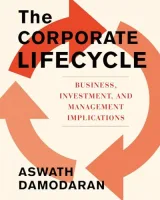 2. The Corporate Life Cycle Aswath Damodaran · 2024Highly recommended
NYU's valuation professor argues that companies age like people, moving from start-up to decline, and that financing, valuation, investing and management choices should change with each stage. It is the closest thing to a unified theory Damodaran has offered, and it gives analysts a practical way to match their models to a company's age.
-
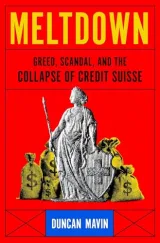 3. Meltdown Duncan Mavin · 2024Recommended
A 166-year-old Swiss bank ran out of trust before it ran out of capital, and former Wall Street Journal financial editor Duncan Mavin shows how. From Nazi gold and secret accounts to Archegos and the 2023 forced sale to UBS, it is a concise record of how weak risk controls, empire-building and a long run of scandals can destroy a global bank.
-
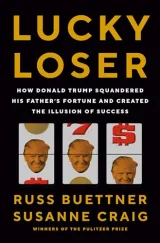 4. Lucky Loser Russ Buettner and Susanne Craig · 2024Recommended
Two Pulitzer-winning New York Times reporters use more than twenty years of Donald Trump's confidential tax data, business records and interviews to rebuild his financial history, from his father's real estate fortune through Atlantic City and The Apprentice. It is a detailed case study in leverage, family money, licensing income and the gap between reported and actual results.
-
 5. Shock Values Carola Binder · 2024Recommended
A monetary economist traces how American fights over prices, from colonial paper money to the pandemic inflation, created many of the institutions that rates and macro investors watch today, including the Federal Reserve and the Treasury-Fed Accord. It is a compact history of why inflation is always a political question as well as a monetary one.
-
 6. Gambling Man Lionel Barber · 2024Recommended
The former Financial Times editor writes the first Western biography of SoftBank's Masayoshi Son, the risk-loving dealmaker behind early bets on Yahoo and Alibaba, the iPhone in Japan, and both Uber and WeWork. It is a study of how one founder's appetite for leverage and conviction made and lost several fortunes across three tech cycles.
-
 7. The Money Trap Alok Sama · 2024Recommended
A longtime Morgan Stanley banker who became SoftBank's chief dealmaker and a top adviser to Masayoshi Son recounts the tech-bubble deals, the boardroom rivalries and a covert smear campaign that drove him out. It gives an insider's view of how mega-deals get done and argues that more money does not buy more control.
-
 8. Private Equity Carrie Sun · 2024Recommended
A former financial analyst recounts her two and a half years as the sole assistant to the billionaire founder of a secretive Manhattan hedge fund. It is less an exposé of trading than a close look at what elite finance demands from the people who keep its principals running, and what that demand costs them.
-
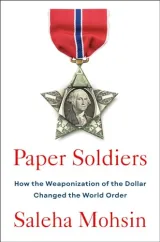 9. Paper Soldiers Saleha Mohsin · 2024Recommended
A Bloomberg reporter's history of how the Treasury Department turned the dollar into an instrument of power, from Robert Rubin's 1995 strong-dollar mantra through the post-9/11 financial war to the 2022 sanctions on Russia. It is useful context for anyone pricing currency risk or sanctions exposure, or arguing about how long dollar dominance can last.
-
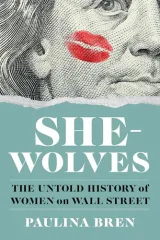 10. She-Wolves Paulina Bren · 2024Recommended
A Vassar historian tells the story of the women who broke into Wall Street between the 1960s and 9/11, from Muriel Siebert's 1967 seat on the New York Stock Exchange to the 1996 Smith Barney Boom-Boom Room lawsuit. It explains how the industry's culture formed, and why it changed so slowly at the top.
-
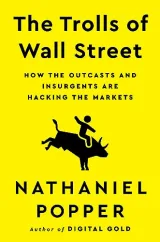 11. The Trolls of Wall Street Nathaniel Popper · 2024Recommended
A former New York Times finance reporter tells the history of WallStreetBets, the Reddit forum whose members helped drive the 2021 GameStop squeeze. Popper treats it less as David against Goliath than as a refuge for isolated young men, and he shows how memes, zero-commission apps and options trading turned that community into a force in the market.
-
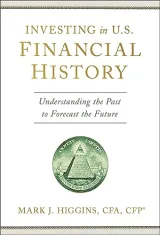 12. Investing in U.S. Financial History Mark J. Higgins · 2024Recommended
A 600-page, single-volume financial history of the United States, from Alexander Hamilton's 1790 programs to the Federal Reserve's 2023 fight against inflation, written by an institutional investment consultant for investors. Higgins argues that almost no market event is unprecedented, and that knowing the record makes manias, crises and policy errors easier to spot.
-
 13. The Unaccountability Machine Dan Davies · 2024Recommended
A former Bank of England regulator and bank analyst explains why airlines, insurers, corporations and governments produce outcomes nobody wants. Drawing on Stafford Beer's management cybernetics, Davies names the accountability sink and makes a pointed case against the economics of the shareholder-value era and the private equity model that followed.
-
 14. On the Edge Nate Silver · 2024
The FiveThirtyEight founder and high-stakes poker player maps the River, the tribe of poker pros, sports bettors, hedge fund traders, venture capitalists and crypto founders who think in expected value. For finance readers it is a field guide to how edge, variance and risk of ruin are actually priced, and to what happened when Sam Bankman-Fried ignored them.
-
 15. Character Limit Kate Conger and Ryan Mac · 2024
A reported account of the messiest leveraged buyout in recent memory: Elon Musk's $44 billion purchase of Twitter, his attempt to walk away, the lawsuit that forced him to close, and the fallout. Deal people will see what happens when a buyer with heavy bank debt, no clear business plan and motives that have little to do with returns takes over an advertising-funded company.
-
 16. Boom Byrne Hobart and Tobias Huber · 2024
Two tech investors argue that speculative manias are not just wreckage to clean up but a funding and coordination mechanism for breakthroughs, from railroads and dot-com fiber to Moore's law, Apollo and Bitcoin. For anyone who prices risk, it is a provocative case that some bubbles are worth the losses they leave behind.
-
 17. The History of Money David McWilliams · 2024
A former Central Bank of Ireland economist tells 5,000 years of money as a story of trust, credit and power, from Sumerian granaries and debased Roman coins to Florentine bookkeeping, fiat paper, the 2008 crisis and bitcoin. Finance readers get a quick, opinionated account of why money works when people believe in it and breaks when rulers abuse it.
-
 18. All That Glitters Orlando Whitfield · 2024
A former dealer's memoir of his friend Inigo Philbrick, the London and Miami art dealer jailed for an $86 million fraud, doubles as a field guide to art as a financial asset. It shows how fractional stakes, art-backed loans and private resales let one dealer sell more than 100 percent of a painting, and why an opaque, lightly regulated market let him do it for years.
-
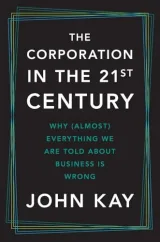 19. The Corporation in the Twenty-First Century John Kay · 2024
John Kay, the economist who led Britain's 2012 review of equity markets and short-termism, argues that the shareholder-value creed has hollowed out great companies and misreads how modern firms actually create value. For investors and bankers, it is a sharp, history-rich case that capital is now a rented service and that finance-first management destroys more than it earns.
-
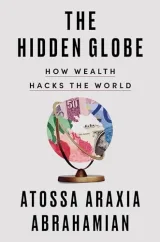 20. The Hidden Globe Atossa Araxia Abrahamian · 2024
A reported tour of the freeports, free zones, offshore courts and flags of convenience where national law is partly switched off, and of the capital that flows through them. For anyone who structures deals, stores assets or books profits across borders, it shows how jurisdiction itself became a product that the wealthy can shop for.